Ah, there’s something about this time of year that gets me excited – it’s all about the crockpots, dutch ovens, and slow cooking. And let me tell you, one of my all-time favourite cuts for these cozy cooking methods is the beef shank. You might know it as osso bucco, but we’ll dive into that delicious detail a bit later.
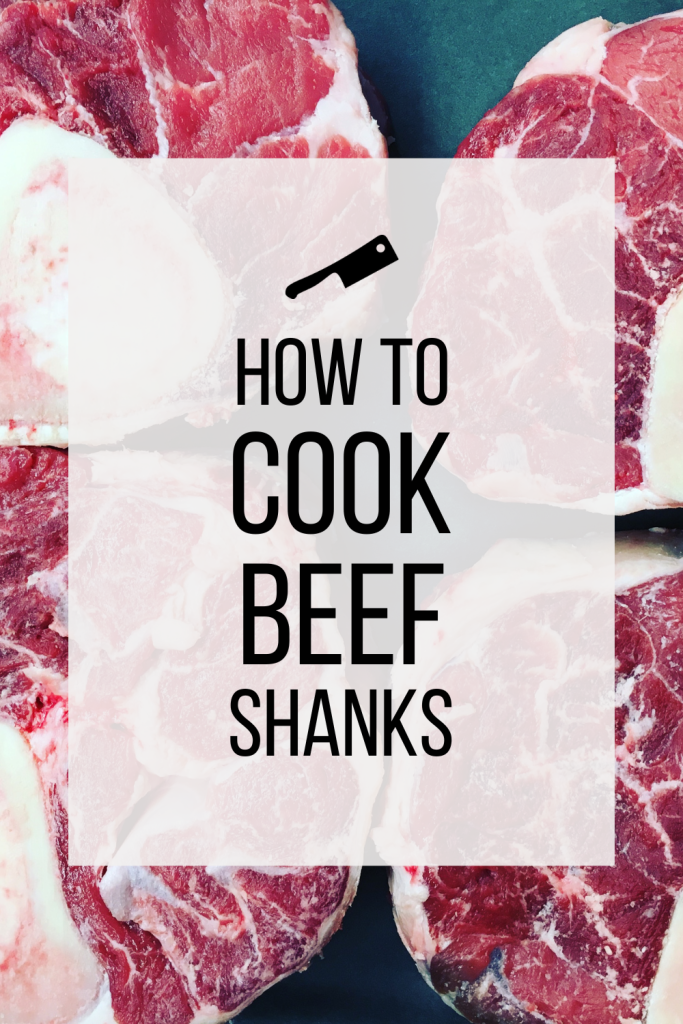
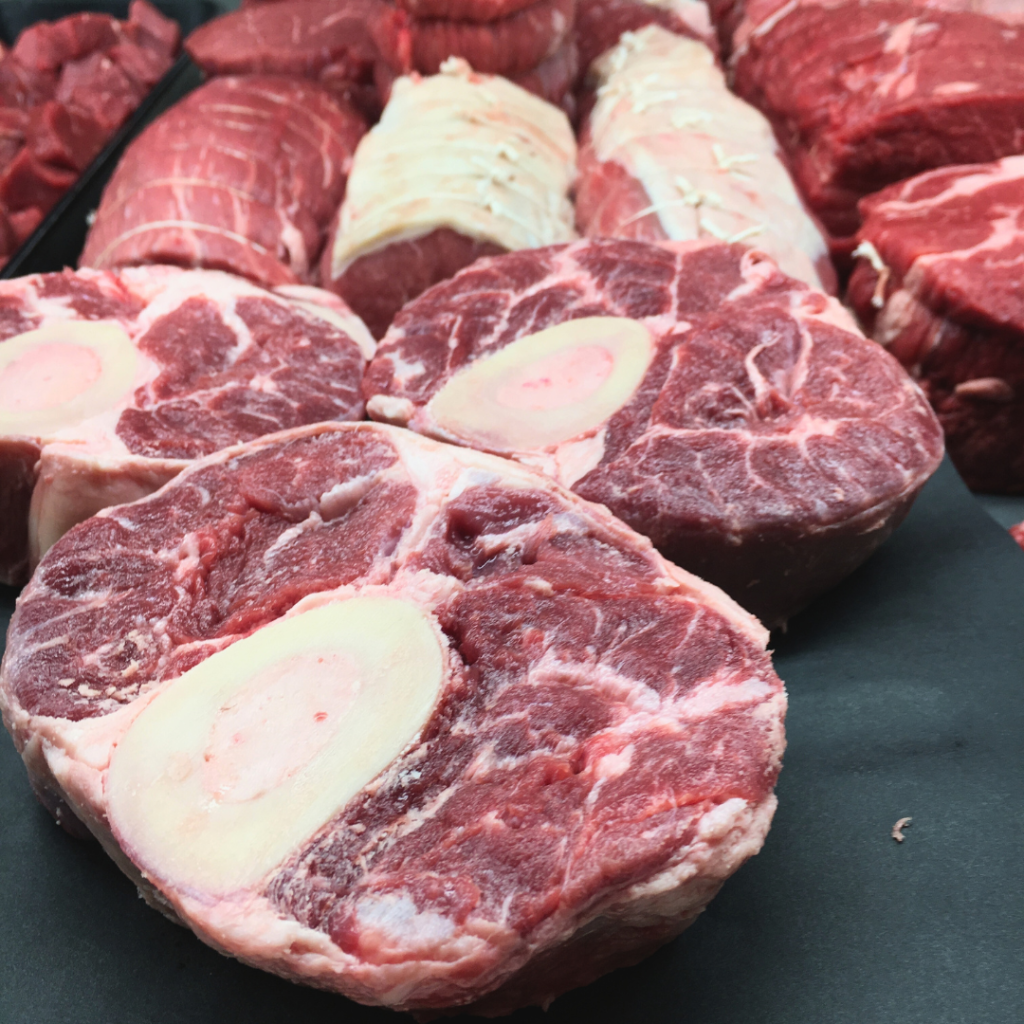
If you can picture a beef shank: they’re those round, meaty slices with a bone right in the center, looking almost like a bullseye.
You might recognize them as those “mystery cuts” lounging at the bottom of your freezer. If that’s the case, don’t worry, you’re in good company! It’s common. You get a side of beef, and naturally, the steaks and ground beef disappear first. What you’re often left with are these unique cuts, and you might find yourself wondering, “Now what?”
But here’s a little tip before we move on – when you order a side of beef, sure, you can opt to grind the shank into more ground beef. My advice, though? Keep the shanks as they are. Trust me, skipping out on them means missing out on a whole world of flavor and some seriously satisfying meals. Let’s explore why these shanks should be your new go-to for slow-cooked meals.
What is Beef Shank?
Beef shank is the leg portion of a steer or heifer. It comes from either the foreshank (front leg) or hindshank (back leg). It’s a well used muscle which means it’s rich in flavours and textures. It’s a cut that asks for a little patience but rewards you generously in taste.
Beef shank is often found as cross cuts which appear as a circular cut of meat with a piece of bone. It’s also the style used to make osso bucco. This is the most common way for beef shank to be cut.
Beef shank is also available as a whole piece, although you may have to request this style specifically if your butcher doesn’t have it in the meat counter.
What is Bone-In Beef Shank?
Most beef shanks are bone-in. This is another reason for its incredible flavour! The bone marrow, a delicacy in its own right, enriches the dish, offering an added layer of richness and depth.
You can request boneless beef shank from your butcher, although you would be missing out on the flavours it brings. On an interesting side note – beef shanks used to ALWAYS go into stew beef meaning it was always boneless.
Are There Other Names for Beef Shank?
Another name for beef shank is “osso bucco”.
Osso Bucco is a classic Italian specialty whose name translates to “bone with a hole,” a nod to the marrow-filled bone at the center of the cut. Traditionally, this dish is made with veal shanks, prized for their tender texture and rich flavor. The veal is slowly braised with vegetables, white wine, and broth, allowing the meat to become meltingly tender and the marrow to infuse the sauce with its luxurious richness.
In recent years, beef Osso Bucco has gained popularity as an alternative. While beef shanks are larger compared to the delicate veal, they follow the same cooking process, resulting in a dish that’s equally sumptuous but with a bolder, more robust flavor profile. This variation with beef brings a new dimension to the dish.
Where to Buy Beef Shanks
You might find them at the supermarket…but chances are slim to none.
Your best bet to get beef shanks is your specialty grocery, local butcher, or beef farm. Locations with a fresh counter may be able to custom cut beef shanks to your liking. While farms that sell frozen beef may only have certain beef shank cuts available.
How Many Beef Shanks Do I Need?
A handy tip when serving meats with a bone is to allocate about one pound per person. So, if you’re planning a meal for a family of four, aim for around 4 pounds in total. This usually translates to about 4 to 5 beef shanks, depending on their individual sizes. Keeping this rule of thumb in mind ensures everyone gets a satisfying and hearty portion at the dinner table.
Is Beef Shank Tender?
We aren’t going to sugar coat it. Yes, beef shank is initially tough, but transforms into a tender, melt-in-your-mouth delight with proper cooking. Slow and low is the way to go, allowing the fibers to break down and the meat to become fork-tender.
If you’ve cooked your beef shank and it’s tough – the most likely reason is that you didn’t cook it long enough.
How to Prepare Beef Shank
While preparing beef shank is pretty straightforward – there are some things you can do to make sure you get the most flavour! Browning the beef is key!
Here is how to prep the beef shanks:
- Start by thawing it properly if it’s frozen
- Pat it dry with paper towels
Now before we move on to cooking it, there is one thing that makes it tricky to brown beef shanks (but there’s an easy fix!).
If we brown the beef shank rounds as is, you will find that the edges curl up. This can be frustrating because the meat is no longer making direct contact with the pan. You’ll find that the meat is browned unevenly, with some spots that have steamed instead of caramelized.
This will have a huge impact on the flavour of your dish (lack of flavour that is!).
The reason this happens is because the connective tissue shrinks with cooking faster than the surrounding meat. It then pulls tight, leaving the meat nowhere to go but OUT.
So before you cook your beef shanks, have a look at them to see if they are tied with a string or if they have fascia (casing of connective tissue) surrounding it.
If they are tied with a string, it likely means your butcher has already removed the connective tissue. Keep the string in place during cooking and remove it once plated.
If you see connective tissue, you have a few options:
- Remove all the connective tissue and tie a string around to keep it all intact. This option is recommended if you plan on serving a whole wheel to each person without it falling apart.
- Remove all the connective tissue and don’t tie it. The meat will fall apart during cooking and that’s ok!
- Leave the connective tissue but take a knife or scissor and make about 4 cuts through the connective tissue around the circumference of the meat. This prevents the meat from curling in the pan. Again, the meat may fall apart during cooking and that’s ok!
When we are cooking for our family at home, our preference is to leave the connective tissue on and cut into it. And honestly, it’s the easiest way!
For those who take pride in presentation, consider tying the beef shanks with kitchen twine. This helps keep them neatly intact and ensures they look as good as they taste when served.
What to Cook with Beef Shank
Beef shank is versatile. It’s fantastic in hearty stews, rich soups, and can even be the star of a standalone dish. Pair it with root vegetables, mashed potatoes or let it simmer in a savory broth – the possibilities are endless.
How to Cook Beef Shank
Once you’ve prepared the beef shanks, it’s time to brown them.
Don’t skip this step no matter what cooking method you choose. Browning = flavour
I get it, bypassing the extra browning step might seem like a time-saver and one less pot to scrub, but trust me, taking that shortcut could leave you with a piece of meat that’s lacking in those rich, deep flavors we all love.

Browning the Beef
Here are some important steps to take to brown the beef shanks:
- Be sure to follow the preparation steps we mentioned above
- Season the beef shanks with salt and pepper on both sides
- Heat a pan until it’s very hot on medium-high heat (preferably cast iron)
- Drizzle just enough oil to coat the bottom of the pan
- Place the beef shanks into the pan (without crowding the pan)
- Leave them to sear until they naturally release from the pan and flip to sear the other side
When it comes to cooking your beef shanks, immerse them in a flavorful liquid that nearly covers them completely. This could be a mix of richly reduced wine, added right into those flavorful drippings, combined with a good broth, sauteed vegetables, some canned tomatoes for a touch of acidity, and a blend of your favorite herbs and seasonings. This liquid is key, as it will infuse the shanks with an array of flavors and ensure they turn out wonderfully tender and packed with taste.
Next up is cooking! Cooking beef shank is an exercise in patience and simplicity.
Here are some methods to get the best out of your shanks:
- Oven: Place the shanks in a dutch oven and pour the liquid overtop. Cover and braise in the oven for about 2-3 hours at 325 – 350˚F or until fork tender. This is our preferred method of cooking.
- Crockpot: Ideal for set-it-and-forget-it cooking. The crockpot’s consistent low heat makes the shank tender and flavorful without much effort. Cook on low for 8 – 10 hours or high for 3 – 5 hours, or until fork tender. Be careful not to overcook them! See the next section.
- Instant Pot: For those days when you’re short on time, the Instant Pot can tenderize a beef shank in a fraction of the time it takes in the oven or crockpot. Pressure cook for 30-40 minutes, with a natural release of 15 minutes. These instructions are a rough guide – check your manufacturer’s instructions for more details.
Overcooking Beef Shanks
While it’s true that beef shanks thrive under slow and low cooking conditions, there’s a common misconception that the longer you cook them, the better they get. But here’s the catch – overdo it, and you’re in for a less-than-pleasant surprise at dinner.
Instead of becoming more tender, those beef shanks can turn dry and stringy, leaving you with a meal that’s far from the juicy, flavorful delight you anticipated. So, remember, use patience but watch the time!
In conclusion, beef shank might just be the unsung hero of your freezer, waiting to bring warmth and flavor to your meals, especially during the cooler months. It’s a cut that tells a story – one of patience, transformation, and ultimate satisfaction. So next time, don’t pass by the beef shank in the butcher case, grab a few for a special culinary experience. And don’t forget to serve with a fantastic glass of red wine!
Bon appétit!