Early Orangeville was described by Thomas Wright, an Orangeville butcher of 40 years, as being mostly bush and the main streets were “nothing but trails”.1 That’s a big contrast to today’s historic buildings along Broadway that tell a story full of Orangeville’s culture, arts and trade.
Butcher shops were an important part of the Orangeville community. Most meat during the early 19th century was sold at the village butcher shop, having originated from a farm abattoir.

Orangeville Butcher at the Town Hall & Market
One of the most interesting signs of Orangeville’s butchery past can be found at what we know today as Theatre Orangeville. The heads of cattle are carved out of stone on the West side of the theatre just above the arched windows and doors of the lower level. The butcher’s stalls were located at these arches where meat was sold to the customers of their rapidly growing community. Interestingly, this was the only place to legally sell meat during this period.
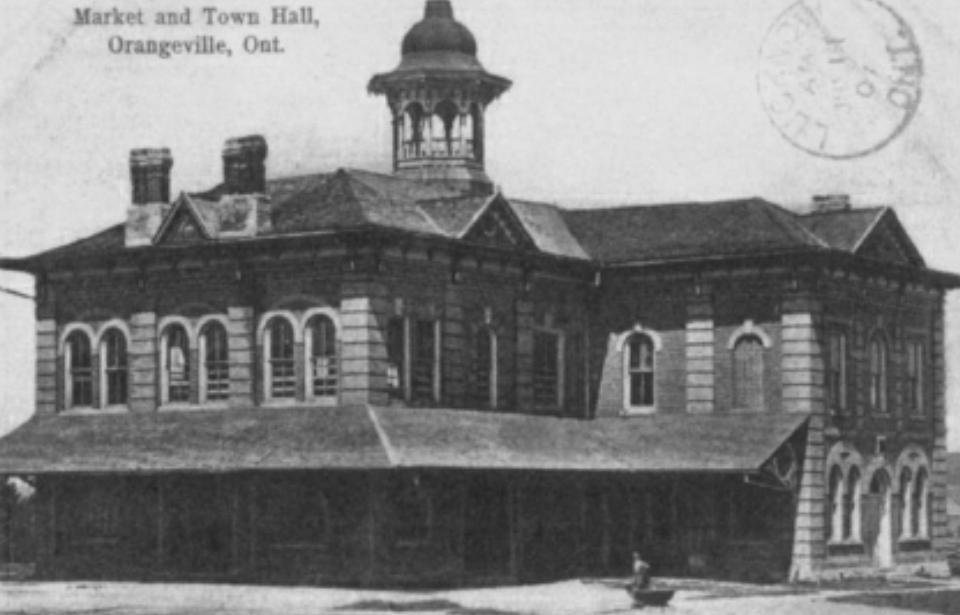
In older photos, you can see a porch cover that wrapped around the west side of the building. This was to protect the meat inside the butcher stalls by blocking direct sunlight and keeping the meat cooler.
The Theatre Orangeville was once the political and social hub for the town of Orangeville. It housed the public market, assembly hall (Orangeville Opera House) and the Town Hall after a fire in 1875 destroyed the prior Council Chambers on Jackson Block (Mill Street and Broadway).
Orangeville had an unfortunate string of fires in the mid-1870s which destroyed the flammable wood buildings on Broadway. After this, the Town Council mandated the use of brick for new constructions. “Broadway pretty much, as we knew it, was built between 1876 to 1880,” Steve Brown said, archivist for the Dufferin County Museum and Archives (DCMA).2
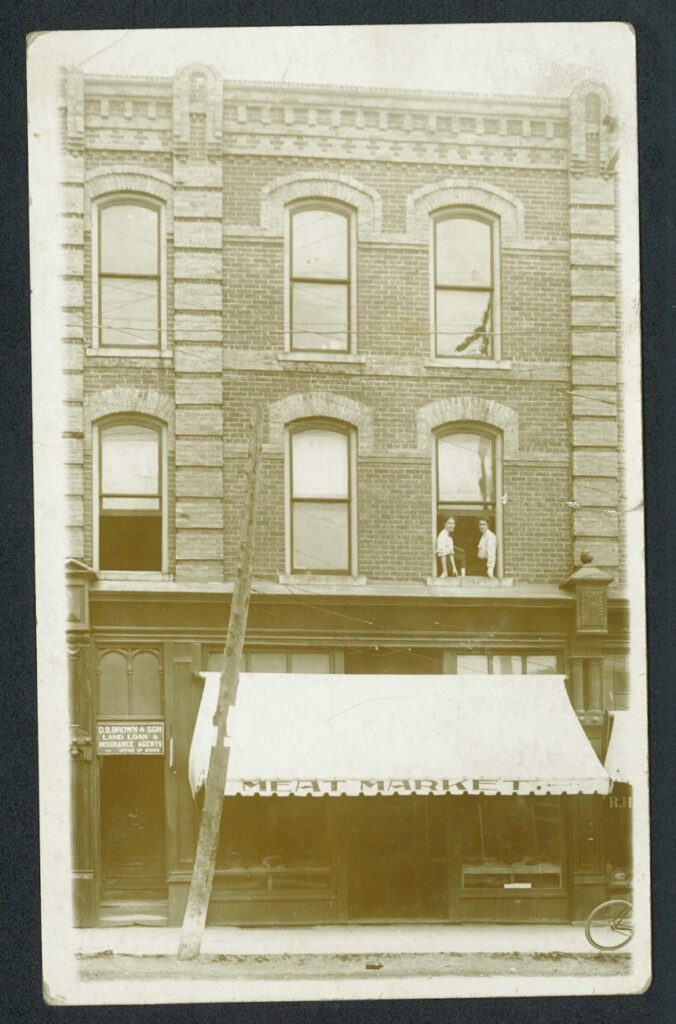
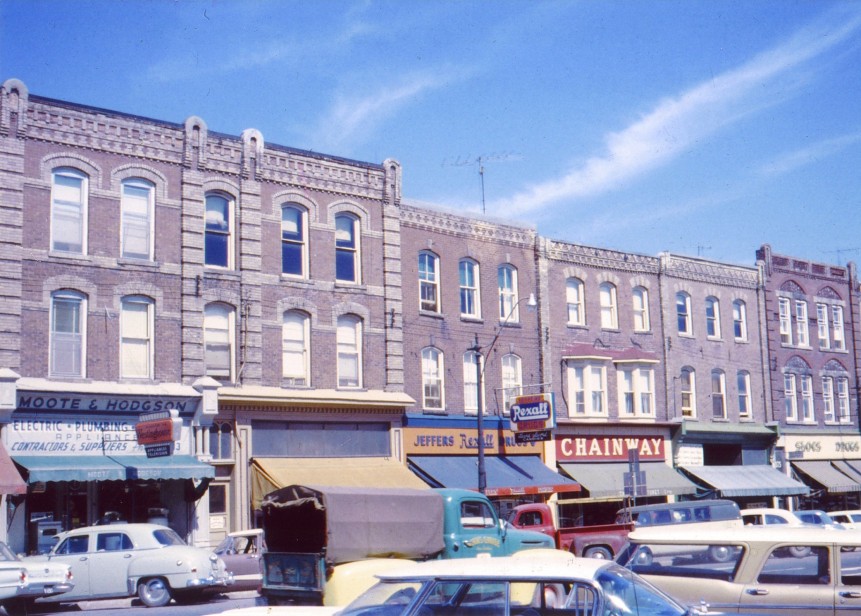
Vintage Photos of Orangeville’s Past
Detailed accounts of the Orangeville butcher shops during 1800s and 1990s are difficult to come by. In the archives you can find a few butchers mentioned including Bill Stirton (butcher for Carload Food Market), Bob Allen’s Grocery & Butchery on First and Broadway, and J.W. Jarvis offered butchery services as well.
Thomas Wright operated an Orangeville butcher shop with his brother for 40 years. Prior to that he was a successful carriage maker and also built the Queen Anne style row houses at 2-10 Zina Street in 1886. At 94 years old, Thomas described the secret to his happiness and longevity in life is to “not wish for too much”, and get plenty of fresh air and exercise.
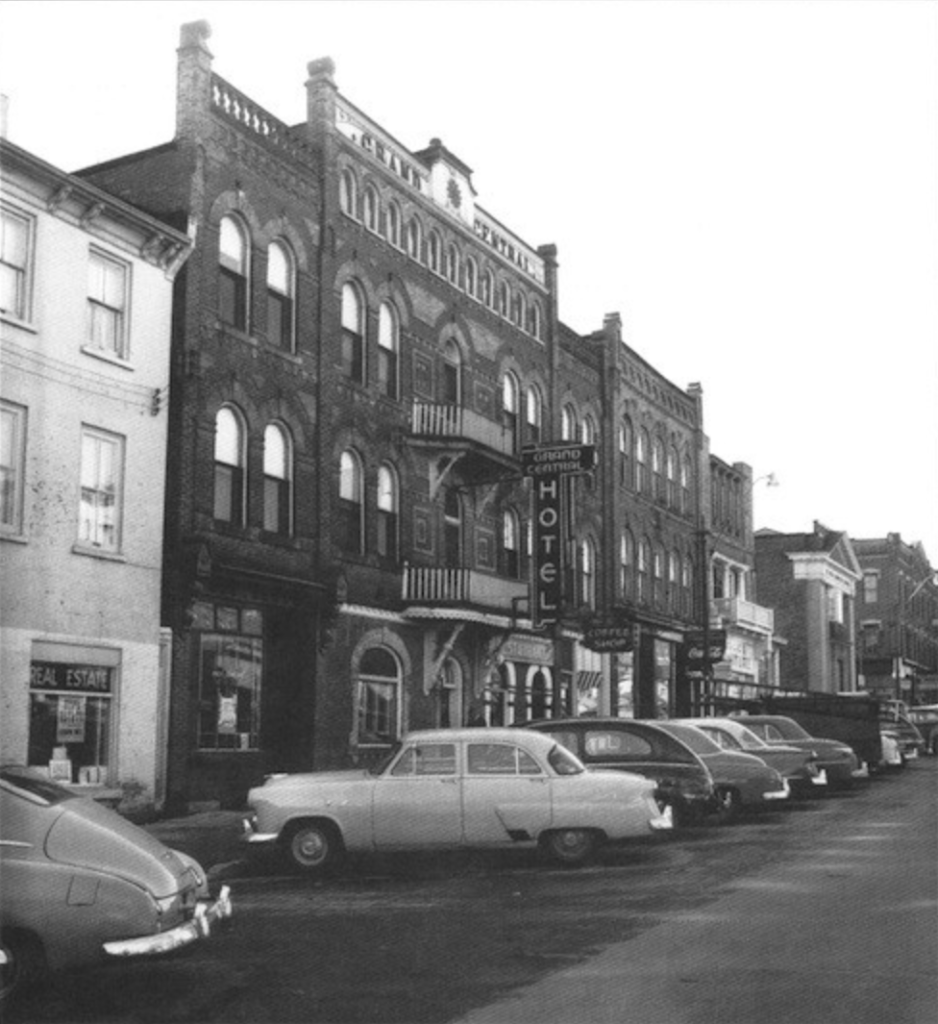
Residents looking for an Orangeville butcher would travel by horse to town. In 1908 the first automobiles were spotted in Orangeville. It wasn’t until 1920 that it became the chosen mode of transportation in the summer. In the winter, sleighs were still used until roadways were improved in the 1940s.
In the 1930s, chain stores began to occupy the storefronts such as A&P at First Avenue and Broadway.
References
- https://www.findagrave.com/memorial/192827673/thomas-wright
- https://www.orangeville.com/news-story/5242330-here-are-eight-wacky-facts-about-orangeville-s-history/
- https://www.dufferincounty.ca
- Townsend, Wayne. The Heart of Dufferin County. Toronto, Natural Heritage/Natural History Inc. 2006
- http://www.vintageorangeville.com